Throughout this website you’ll find numerous references to Laverstock. It’s a small village 1½ miles north-east of Salisbury in Wiltshire. One of its main buildings was Laverstock House. In August 1788 an advertisement in the Salisbury & Winchester Journal describes it as follows:
Laverstock House. For Insane and Lunatics
William Finch respectfully informs the Guardians and Friends of those who are unhappily afflicted that he continues to receive and medically treat Patients in all the various stages of the above disorders. He flatters himself the extensive practice he has had for more than fifteen years past, joined to the success that had attended his tender and humane treatment, will be sufficient testimony of his abilities.
The situation of the house has many advantages, being large and airy; together with extensive gardens walled round so that his patients, at proper times, enjoy the free country air with little or no idea of confinement.
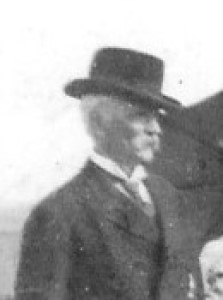
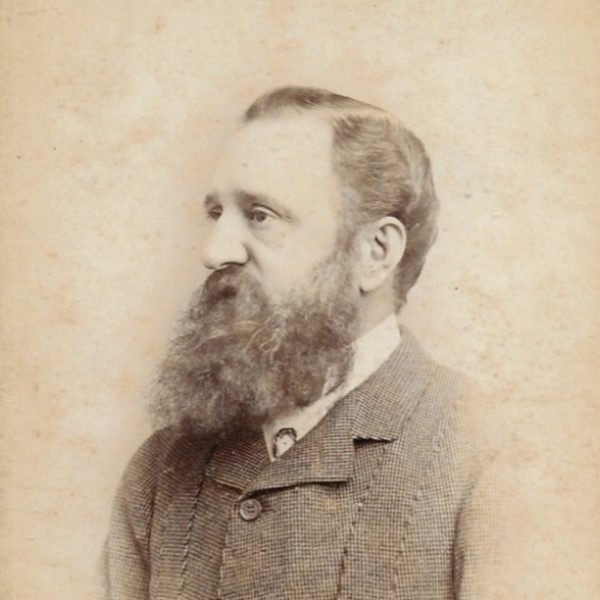
In the 1850’s Joseph Haynes purchased Laverstock House. He also purchased The Avenue, a nearby property, which he used as his country house. This was ‘home’ to his family in the way that his London houses never were. When they were abroad, as most of them were at one time or another, they referred to Laverstock as home, they lived there as a family and many of them were buried in nearby St. Andrew’s Church.
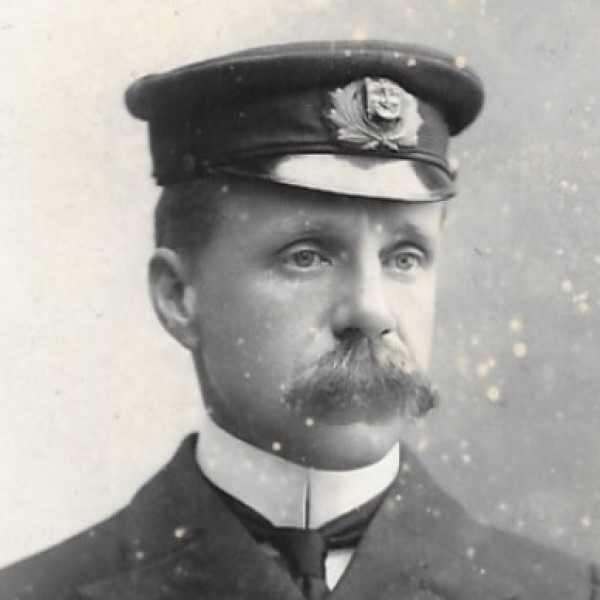
His son, Dr. Stanley Haynes, and a Dr. Henry Manning, who became his son-in-law, were Medical Directors in charge of the medical treatment at Laverstock House.
The 1871 census lists the following as residents of The Avenue
Joseph Haynes 55 Solicitor
Mary Haynes 52 Wife
Jane Adela 18 Daughter
Walter Hart 24 Son. Law student.
Maria 24 Daughter-in-law
Clara 3 Grand daughter
Montague Robert 1 Grandson
Plus three servants aged 20, 24 & 17
Many of the Haynes family are buried at nearby St. Andrew’s Church. .